

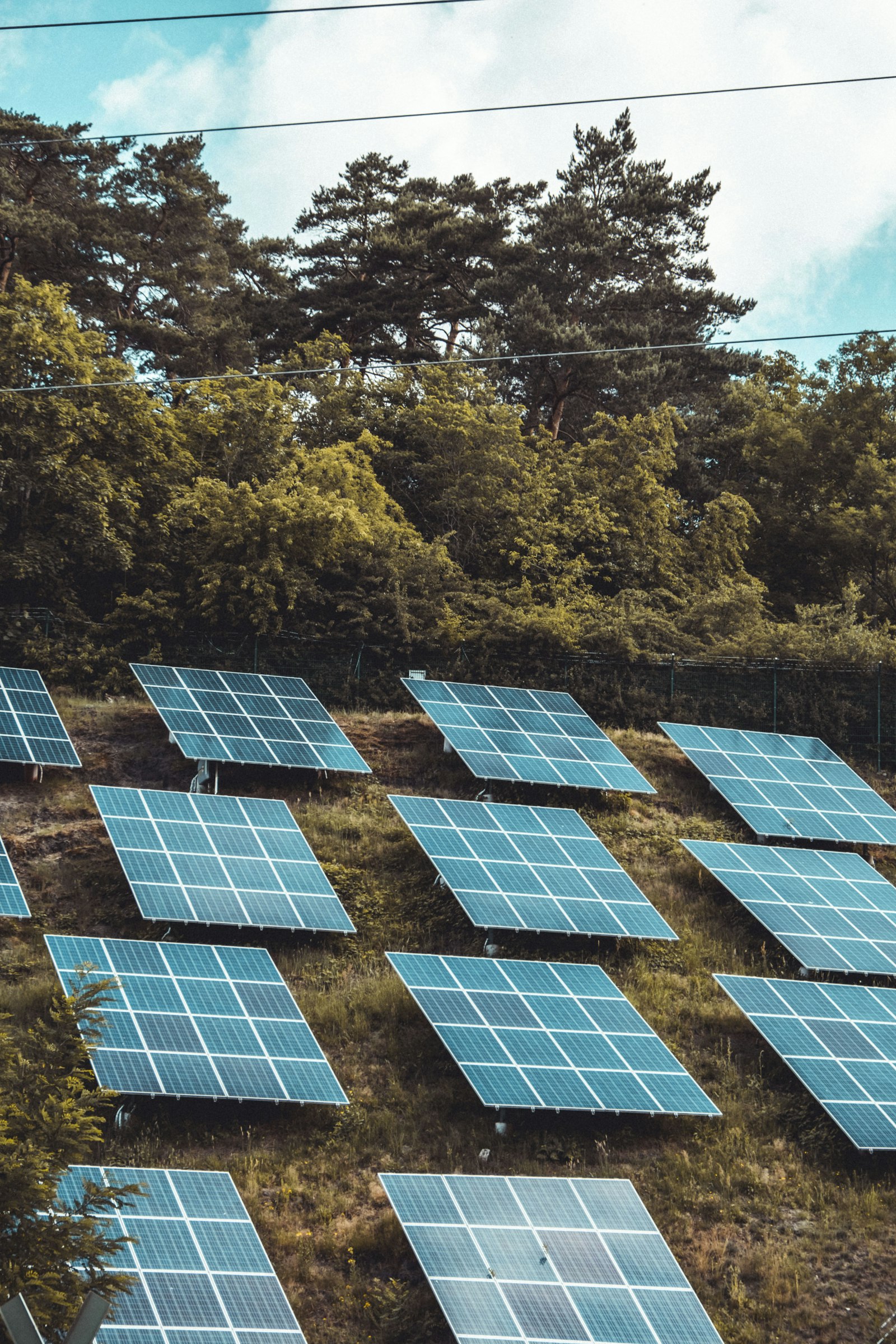
If you own a home in Gujarat and your roof gets sunlight, the central government will pay a large chunk of your solar system’s cost. That’s the short version of PM Surya Ghar: Muft Bijli Yojana, the residential rooftop scheme that has already put panels on more than 32 lakh Indian homes since its launch in February 2024.
Here’s the long version, with the parts most vendors skip.
The Subsidy Slabs, Decoded
The central financial assistance (CFA) is tiered by system size:
| System size | Subsidy | How it’s calculated |
|---|---|---|
| 1 kW | ₹30,000 | ₹30,000 per kW |
| 2 kW | ₹60,000 | ₹30,000 per kW |
| 3 kW and above | ₹78,000 | ₹60,000 + ₹18,000 for the third kW, then it caps |
Read that last row again: the subsidy caps at ₹78,000 for 3 kW. A 5 kW or 10 kW system gets the same ₹78,000, not more. This is why the sweet spot for most Gujarat homes is 3–5 kW, you capture the full subsidy while sizing the system to your actual consumption.
What a Real Bill Looks Like
A typical 3 kW system in Gujarat generates around 12–13 units a day, roughly 4,400 units a year. If your home uses 300–350 units a month, a 3 kW system with net metering will wipe out most of your energy charge. After the subsidy, your out-of-pocket cost is typically ₹90,000–1,20,000 depending on hardware choices, which puts payback at around four years. The panels are warrantied for twenty-five.
How the Process Runs in Gujarat
Gujarat implements the scheme through the state’s SURYA portal alongside the national PM Surya Ghar portal, with your DISCOM, MGVCL around Vadodara, DGVCL in South Gujarat, PGVCL, UGVCL, or Torrent Power in Surat and Ahmedabad city areas, doing the field inspection and meter work. The flow:
- Register on the national portal with your electricity connection number.
- Choose an empanelled vendor. This matters, a non-empanelled installer makes you ineligible. (Ask any vendor to show their empanelment papers.)
- Feasibility approval comes from the DISCOM, usually within days.
- Installation and inspection. After commissioning, the DISCOM installs your bidirectional (net) meter.
- Subsidy disbursement, credited directly to your bank account, typically 30–45 days after commissioning.
The Mistakes That Cost People Money
- Oversizing for export. Excess annual generation is settled at the GERC buyback rate, around ₹2–3 per unit, far below what you pay for power. Size for your own consumption, not for imaginary export income.
- Cheapest-quote hunting. The subsidy is identical for everyone; the difference between quotes is structure quality, inverter brand and workmanship. That difference shows up in year six, not in the brochure.
- Letting the vendor “handle” a portal you never see. Register with your own mobile number and email. The subsidy lands in your bank account, you should own the paper trail.
- Waiting. Subsidy schemes get revised, and rarely upward. The current slabs are the most generous residential solar support India has ever offered.
The Bottom Line
For a Gujarat homeowner, PM Surya Ghar turns a ₹1.7–2 lakh purchase into a ₹1–1.2 lakh purchase that erases most of a ₹2,500 monthly bill. It is, bluntly, the best return available on a home improvement in 2026.
Grow Energies files PM Surya Ghar and net-metering paperwork for every residential system we install, it’s included, not an add-on. Book a free survey and we’ll size the right system for your roof and bill.